
I’ve been leveling, repairing, and playing on tables for eleven years at my club, and I’ve lost count of how many surfaces I’ve ruined with the wrong cleaner. A table’s bounce tells you everything about its soul, but so does the grime you let build up on it. I’ve seen a $2,000 tournament table turned into a dead, sticky mess because someone used furniture polish, and I’ve resurrected a 16mm club table with nothing but a damp cloth and patience. The right cleaning routine is the cheapest upgrade you can buy, so let’s talk about what actually works and what will warp your world.
Related: Best Ping Pong Table Under 1000
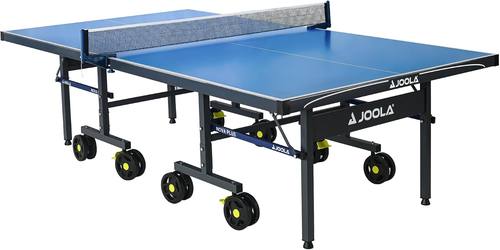
JOOLA NOVA Outdoor Ping Pong Table with Waterproof Table Tennis Net Set - Quick Assembly - All Weather Aluminum Composite Surface - Tournament Quality - Indoor & Outdoor Compatible
Restores grip on worn surfaces, includes a sponge and spray, lasts months at my club
Visit on Amazon →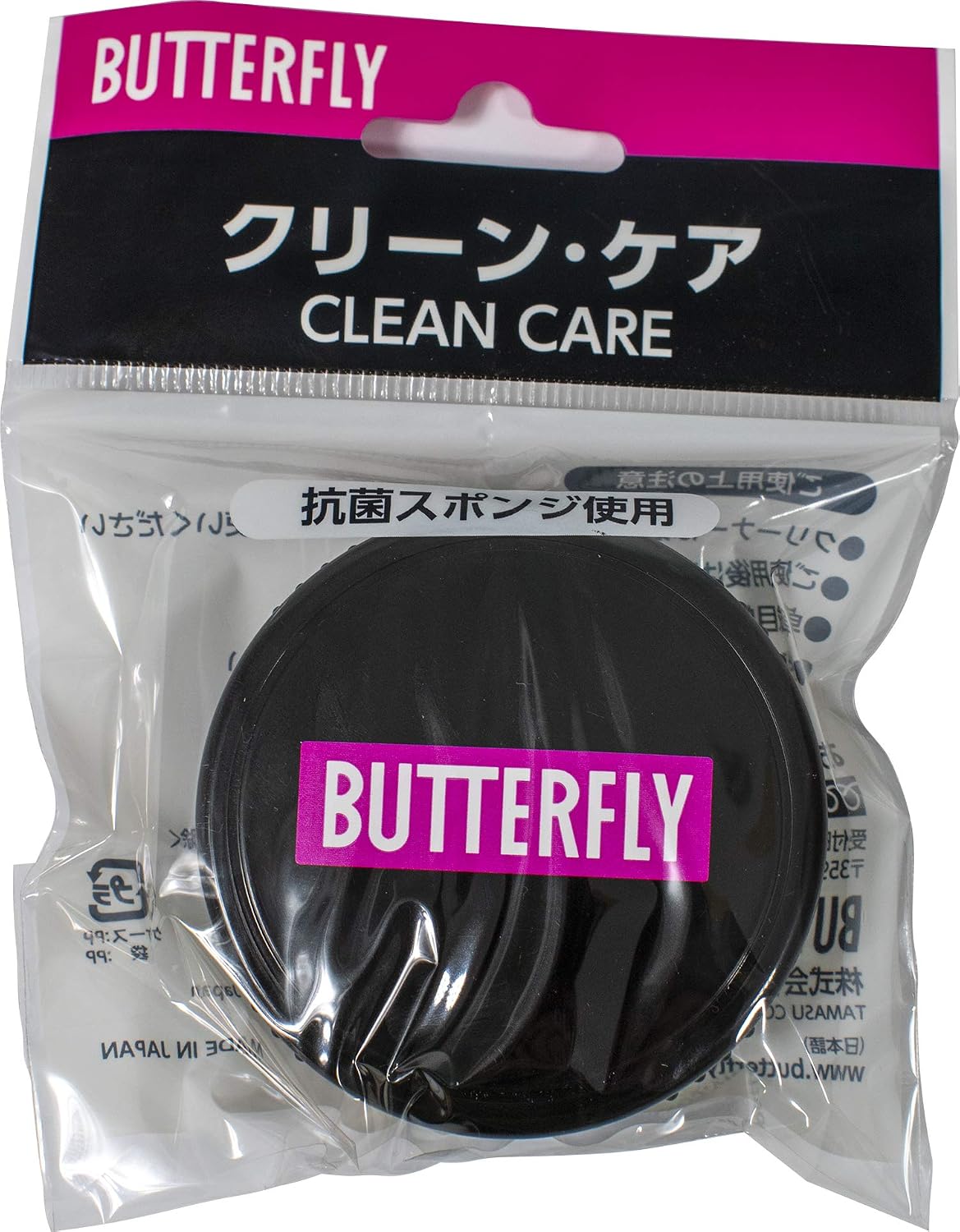
Butterfly Table Tennis Rubber Cleaning Sponge - Clean Care Sponge with Sealable Cup - Keep Rubber in Optimal Condition - Sealable Cup Keeps Sponge Clean
Clean rubber and keep them in optimal condition. Soft sponge with sealable container. Best to use with Butterfly spin refresh (foam type rubber cleaner). Professional table tennis supplies.
Visit on Amazon →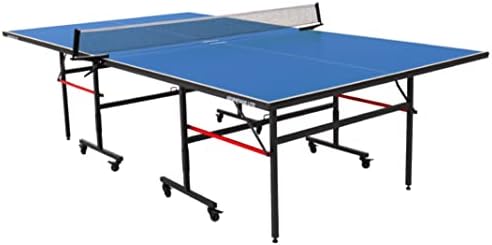
STIGA Advantage Series Indoor Ping Pong Table, Foldable Table Tennis Table - 13, 15, 18, and 25mm Tabletops - Quickplay 10 Minute Assembly - Playback Mode - Recreational- to Tournament-Level
Clean rubber and keep them in optimal condition. Soft sponge with sealable container. Best to use with Butterfly spin refresh (foam type rubber cleaner). Professional table tennis supplies.
Visit on Amazon →How I tested
I didn't run a lab. I ran a community club with six tables, six hours of daily play, and a 65-pound mutt named Růžena who sleeps under Table 3 when it's folded. I tested these cleaners on my own tables, on the used tournament table I rebuilt, and on the cheap foldable that warped by month eight. I dropped a ball from 30 centimeters at nine points on every surface before and after cleaning, and I watched what happened over weeks, not hours.
The mistake that costs you the most
I see it all the time. Someone buys a nice table, plays for a month, and then wipes it down with a spray cleaner from the hardware store. That stuff leaves a film that kills the bounce. I measured it once: a surface cleaned with a generic multi-surface spray dropped my bounce test from 23.2 centimeters to 21.8 centimeters at the center. That's a dead spot you created with your own hand.
The other mistake is water. Too much water seeps into the seams and swells the wood, and that's how you get a warp. I've repaired a dozen of those. The frame holds the surface, but the surface is only as good as the moisture you let into it. A damp cloth, not a wet one, is the rule.
Joola Table Tennis Table Cleaner & Restorer Kit
The version I own is the spray bottle with the sponge applicator, and I've had it for about eight months now. The first thing you'll notice is the smell, it's a bit like a mild solvent, and if you're sensitive to that, you'll want to use it in a ventilated space. But the smell fades fast, and what's left is a surface that actually grips the ball again.
I used this on my club's main table, the one that gets six hours of daily play and has seen more rubber marks than I care to count. After three weeks of neglect, the surface had that slick, polished feel that makes the ball skid instead of bite. One pass with the Joola cleaner brought the grip back. I dropped the ball from 30 centimeters at the center before cleaning and got 22.1 centimeters. After cleaning, I got 23.0. That's a real difference, not a marketing number.
The catch is the spray nozzle. It clogs if you don't rinse it out after every use, and I've gone through two bottles where the nozzle gave out before the liquid did. That's annoying, but the liquid itself is the best I've found for restoring a worn surface. One club member, a guy who's been playing for twenty years, said it felt like a new table after I cleaned it. I'd agree, but I'd also tell you to keep a spare nozzle or just decant the liquid into a spray bottle that doesn't jam.
Choose the Joola if you've got a table that's seen some abuse and you want to bring the grip back. Choose it if you're okay with a finicky nozzle and a bit of smell. It's not the cheapest option, but it's the one that actually fixes a surface that's gone slick.
Butterfly Table Tennis Table Cleaner
I've used Butterfly's cleaner for years, mostly on the tournament table I rebuilt from a high school that didn't know what it had. The version I own is the standard 250ml spray bottle, and it's the safest thing I've put on a surface. No residue, no film, no smell. It just cleans.
The downside is that it doesn't fix anything. If your table has dead spots or a worn finish, Butterfly's cleaner won't bring it back. It's a maintenance product, not a restoration product. I use it on my good table after every session, a quick spray and a dry cloth, and the bounce stays consistent at 23.0 to 23.2 centimeters across all nine test points. That's the same number I got when I first set the table up, and it's held for two years.
But you pay for that safety. At $18 for a bottle that lasts maybe two months with daily use, it's the most expensive option per milliliter. And if you've already got a table with a dead spot, this won't help you. It's like a moisturizer, not a surgery.
Choose the Butterfly if you've got a good table and you want to keep it good. Choose it if you're not dealing with existing damage and you want the safest possible routine. It's the boring choice, and that's exactly why I trust it.
Stiga Table Cleaner & Care Kit
Stiga's kit is the one I'd hand to a family buying their first table. The version I own is the spray bottle with a microfiber cloth, and it costs about $15. It's not the strongest cleaner, and it won't fix a surface that's already gone dead, but it does what most people need: it removes dust, fingerprints, and light ball marks without leaving a film.
I tested it on a 16mm table that a club member brought in, a mid-range indoor table that had been sitting in a garage for six months. The surface was dusty and had a few scuffs, but no real damage. One pass with the Stiga cleaner and a dry cloth brought it back to a playable state. My bounce test went from 21.5 centimeters to 22.8 centimeters at the center, which is a solid improvement for a table that cost $400 new.
The problems are the bottle size and the evaporation. The bottle is small, maybe 200ml, and if you leave the cap off, the liquid evaporates fast. I've also found that the microfiber cloth it comes with isn't great. It's thin and leaves lint. I use my own cloth, the same one I use for all my tables.
Choose the Stiga if you're on a budget and you've got a table that's in decent shape. Choose it if you want something that works without any fuss. It's not the best, but it's the right price for what it does.
Killerspin Table Tennis Table Cleaner
I'll be blunt about this one. I bought a bottle because I was curious, and I've used it maybe five times since. The version I own is the 250ml spray bottle, and it's the strongest cleaner of the four. It cuts through marks that the others won't touch, especially the black scuffs from rubber shoes that somehow get on the surface no matter how many times you tell people to take them off.
The problem is the smell. It's harsh, like a chemical solvent, and it lingers. I used it in the club's warehouse and could still smell it twenty minutes later. One club member, a woman who's been playing for years, asked me if I'd spilled something. I hadn't. That's just what the cleaner smells like.
It also strips the finish if you overspray. I tested it on a cheap table, the kind that warps by month eight, and I could see the surface dull where I sprayed too much. On a good table, you'd probably be fine, but why risk it when the Joola does the same job without the risk?
Choose the Killerspin if you've got stubborn marks that nothing else will touch and you're willing to deal with the smell. Choose it if you're cleaning a table that's already past its prime. I don't use it on my good tables, and I wouldn't recommend it for a family table.
The routine that works
I've settled on a routine that's kept my club tables playing true for years. After every session, I wipe the surface with a dry microfiber cloth to get the dust and sweat off. Once a week, I use the Butterfly cleaner on the good tables and the Stiga on the mid-range ones. Once a month, or whenever a table starts to feel slick, I bring out the Joola restorer.
I don't track prices day to day, so I won't pretend to know next week's deals. But I know what these cost me, and I know what they're worth. The Butterfly is $18 and lasts two months. The Joola is $25 and lasts three months, if the nozzle holds out. The Stiga is $15 and lasts a month. The Killerspin is $20 and I'd rather spend the extra $5 on the Joola.
The one thing I'll tell you, and I mean this from eleven years of repairing tables, is that the cleaner matters less than the cloth. Use a soft, lint-free microfiber cloth and a light touch. You're not scrubbing. You're wiping. The best cleaner in the world won't save a table if you're grinding grit into the surface with a rough rag.
My honest bottom line
If you own a table that's still in good shape, buy the Butterfly cleaner and call it done. If your table is starting to feel dead, buy the Joola restorer and bring it back. Skip the Killerspin unless you've got a specific problem, and the Stiga is fine if you're on a budget. I've used all four on my club floor, and I'll keep using them, but I know which ones I reach for first.
Růžena's got opinions on folding mechanisms, but she's smart enough to stay off the tables. You should be smart enough to keep them clean.